Home defense guns
A plain guide to choosing, storing and lawfully using a firearm to protect an Ohio home, whether that is a Cleveland double, a Columbus apartment or a farmhouse a long way from the nearest deputy.
Response times are the honest starting point. In a city it may be minutes; on a township road in Meigs or Paulding County it can be much longer. Either way the first minute is yours. The aim is a gun you can reach quickly, that nobody else in the house can reach at all, and that you have practised with enough to run half awake.
Shotgun, pistol or carbine
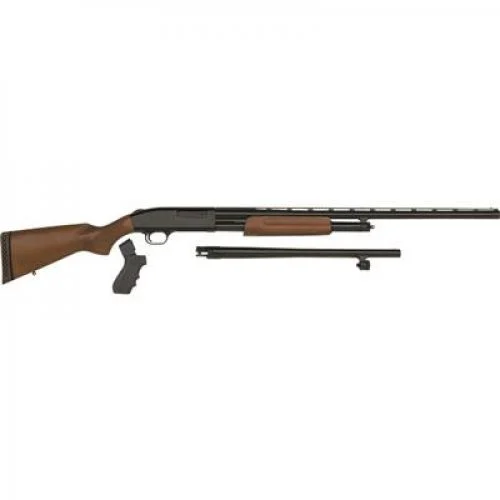
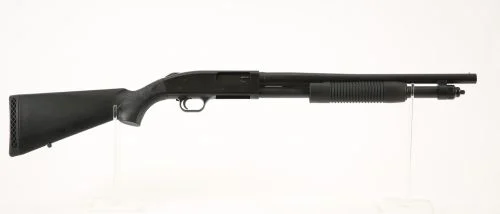
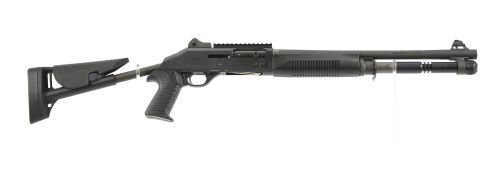
- Pump shotgun. The traditional answer and still a good one. A 12 or 20 gauge with an 18 to 20 inch barrel and buckshot ends most fights quickly. Downsides: recoil, low capacity, and it needs two hands. Many Ohio households already own one for deer or turkey; a short barrel makes it a house gun.
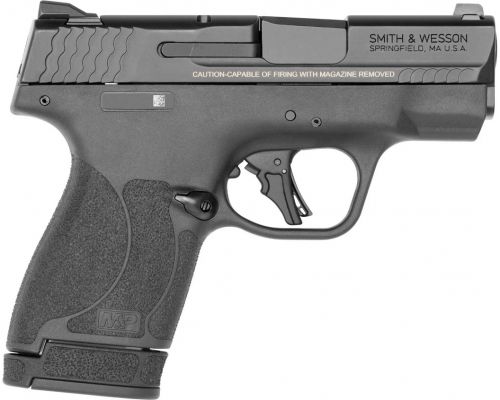
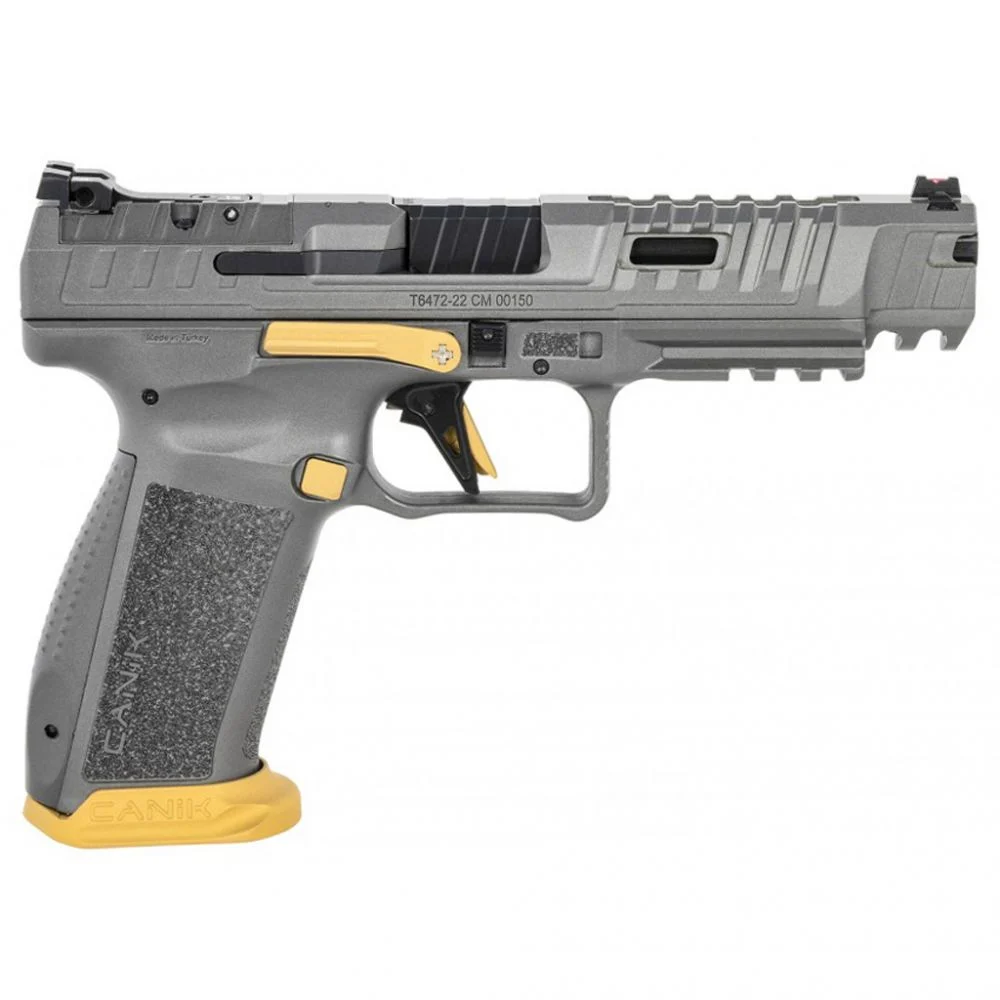
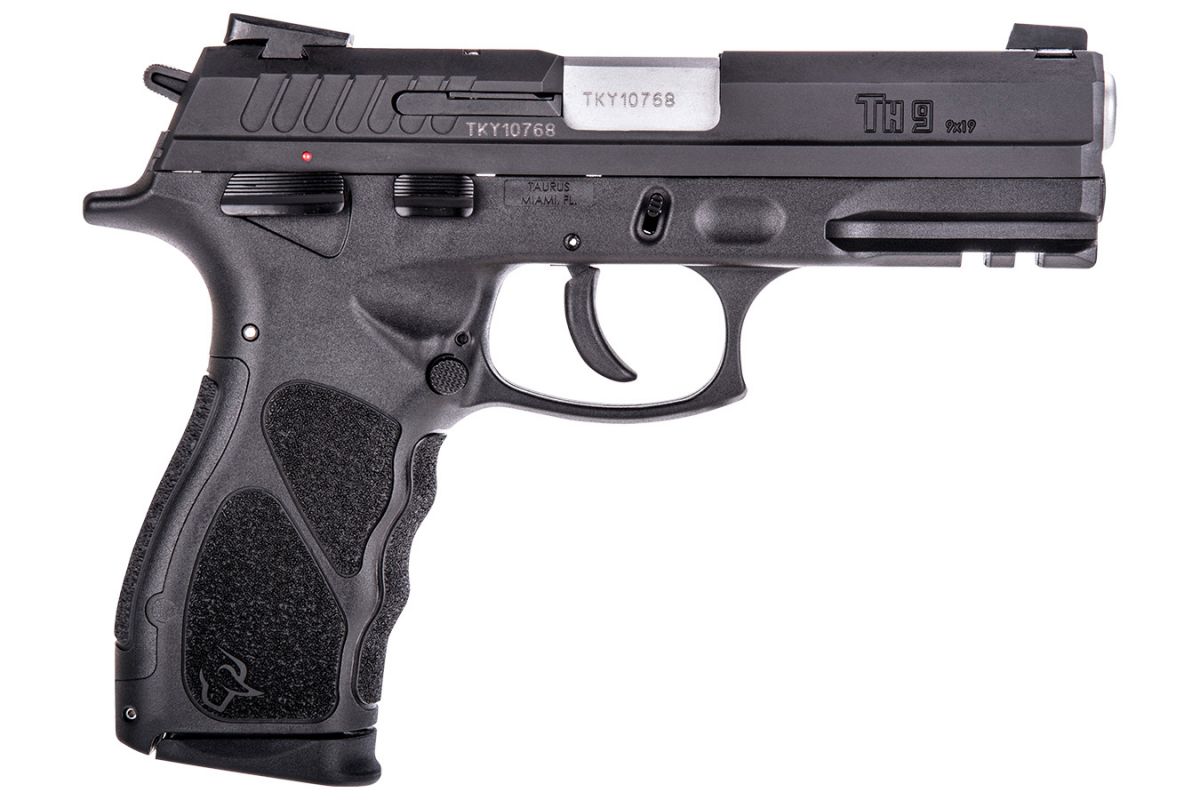
- Full-size pistol. Easiest to store in a quick-access safe, can be used with one hand while the other holds a phone or a child, and holds 15 or more rounds. Harder to shoot well than a long gun, so it demands more practice.
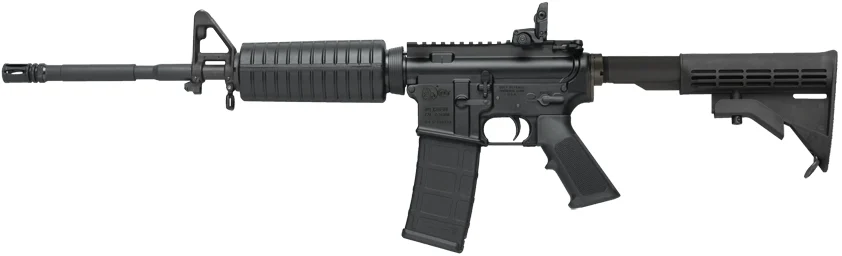
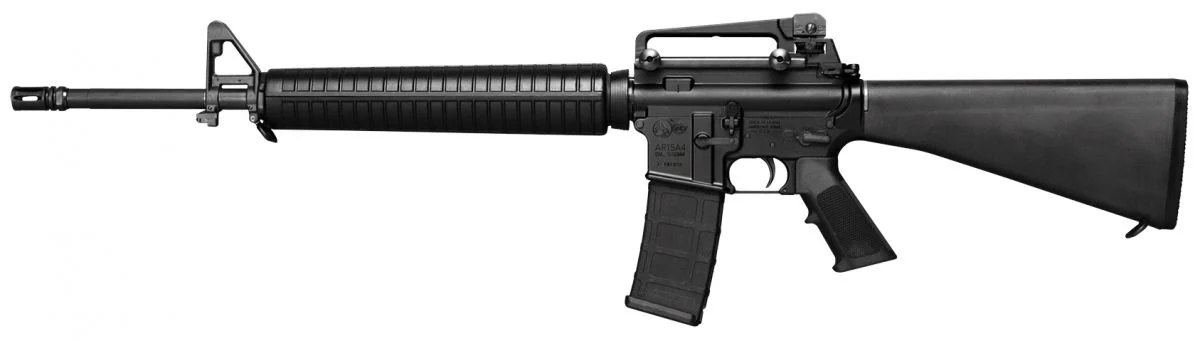
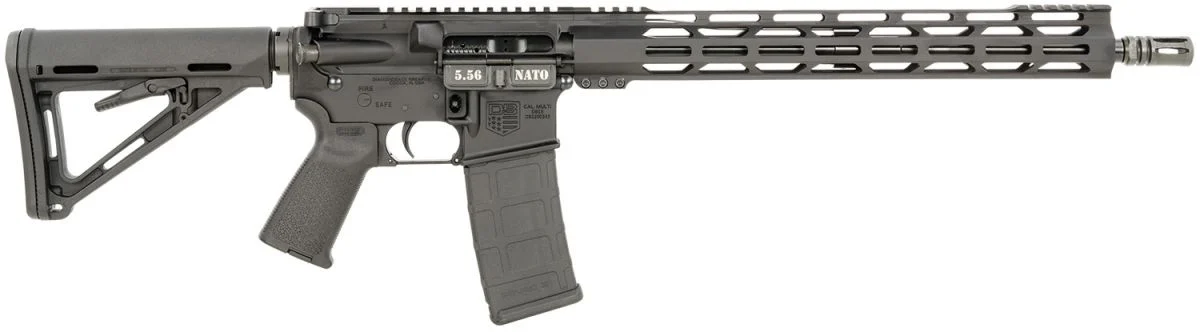
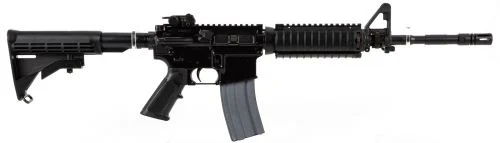
- AR-15 carbine. Light recoil, 30 rounds, easy to mount a light and a red dot, and easier to hit with than a pistol. Loud indoors. With expanding .223 loads it does not penetrate walls more than pistol rounds or buckshot do, which surprises people.
Whichever you choose, put a light on it. You have to identify what you are pointing at. Most people found inside a house at 3 a.m. are family.
Storage
A defensive gun has to be both ready and secured, and those pull against each other. A quick-access handgun safe bolted beside the bed, opened by keypad or fingerprint, does both. Long guns can go in a locking wall rack or a rapid-access cabinet. Anything that is not the ready gun belongs in a locked safe with the ammunition stored separately. Ohio has no broad storage statute at our last review, but ORC 2923.21 makes it a crime to furnish firearms to minors outside its exceptions, and a child hurt with an unsecured gun can bring child-endangering charges and a lawsuit. The law is the least of the reasons to lock it up.
What Ohio law says about defending your home
General information, not legal advice. Self-defense cases turn on their facts. Read the statutes cited here and talk to an Ohio attorney if you want to understand how they apply to you.
- Presumption in the home and vehicle. ORC 2901.05(B) presumes you acted in self-defense if you used defensive force against a person who was unlawfully entering, or had unlawfully entered, the residence or vehicle you occupied. The prosecution can rebut it.
- Burden of proof. Since 2019, once there is evidence supporting self-defense, the state must prove beyond a reasonable doubt that you did not act in self-defense (ORC 2901.05(B)(1)).
- No duty to retreat. ORC 2901.09, as amended effective April 6, 2021, removes the duty to retreat anywhere you lawfully are.
- What did not change. You must not be at fault in creating the situation, you must honestly and reasonably believe you face imminent death or great bodily harm before using deadly force, and the force must be proportionate. Shooting someone who is running away with your television is not self-defense.
- Civil immunity. ORC 2307.60 limits civil suits by a person injured while committing certain offenses, but it has conditions. Do not assume it covers every case.
Buying one
Ohio needs no permit, has no waiting period and no registration. Order here, name a licensed dealer near you at checkout, and complete ATF Form 4473 and the NICS check at their counter. You must be 21 for a handgun and 18 for a shotgun or rifle (ORC 2923.21). Buy a few boxes of practice ammunition and one or two of the defensive load you intend to keep in the gun, and shoot enough of the latter to know it feeds and where it hits.